
Raška
"Raška, the place where we were born" ... Nikola Pašić
Girl's wall
The Valley of lilacs
Semeteš lake
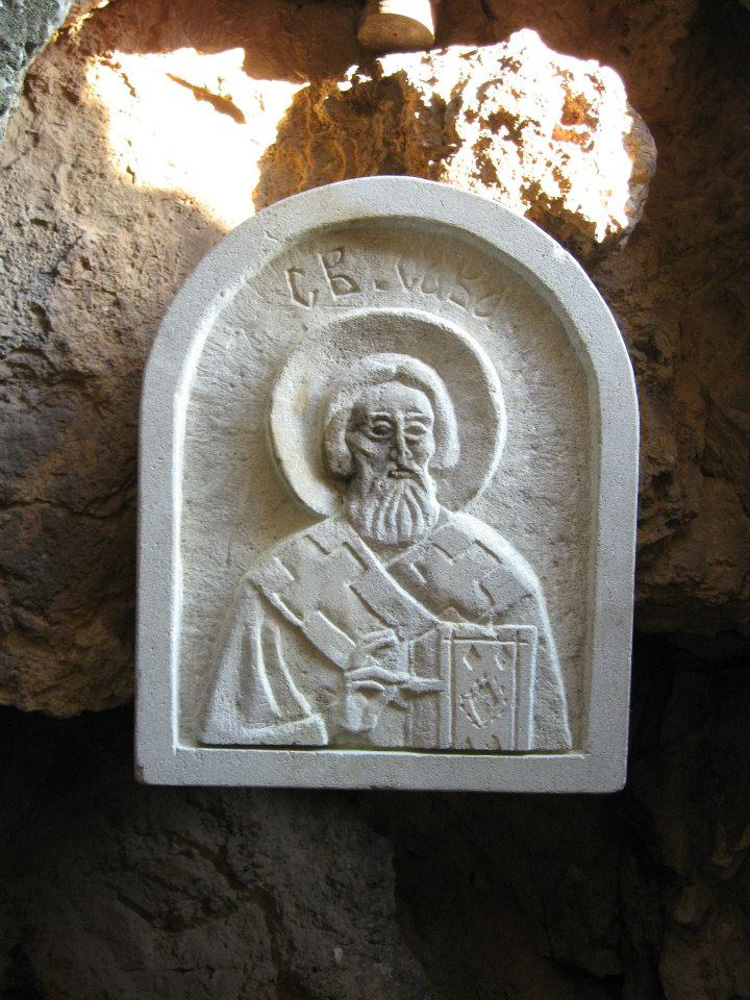
St. Sava water
Janko’s stone.
Legend of the Samokovka River


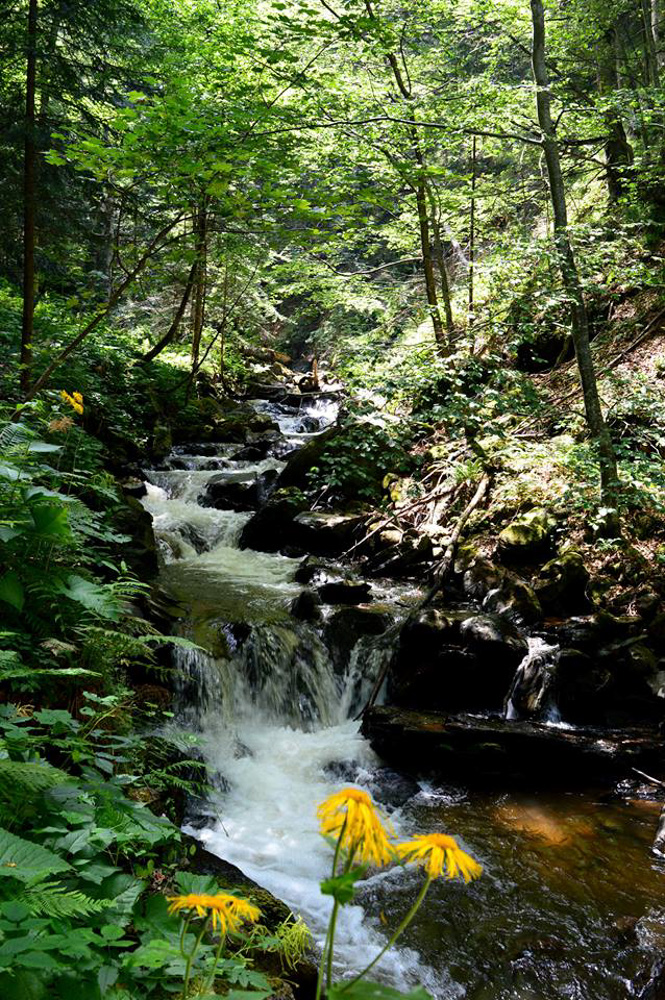


Natural reserves

Walking tours

Excursion sites

Attractions

Churches and church property

Cultural and historical sights

Monasteries

Active vacation

Sport and recreation

Gastro offer

Cultural offer

Fun

Hotels

Apart Hotels

Resort

Lodging and hostels

Villas

Apartments and rooms

What to see
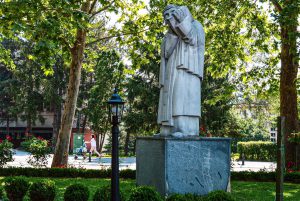
Споменик Архиепископа Данила II
Спомен статуа Архиепископа Данила II, налази се у Рашки, на платоу испред Дома културе – биоскопа. Подигнута је 2004. године. Аутор је Живорад Циглић, академски вајар. Архиепископ
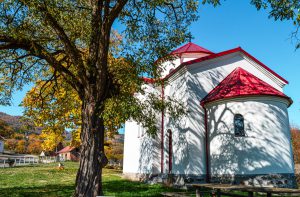
Храм Успења Пресвете Богородице у Трнави
Храм Успења Пресвете Богородице у Трнави налази се у средишту села, непосредно поред пута Рашка – Голија, десет километра удаљена од Рашке, у истом дворишту где се налази Црква Све
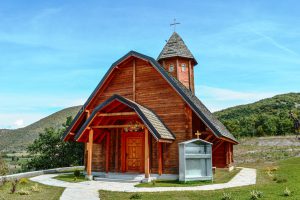
Црква Свете Тројице у Кућанима
Црква Свете Тројице налази се у селу Кућани. Од Рашке је удаљена 5,5 км, на путу према Новом Пазару. Камен темељац цркве постављен је 2012. године а црква је освештана 2017. године
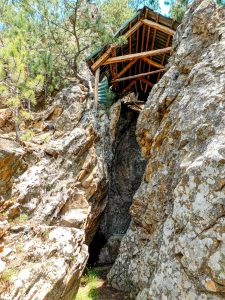
Излетиште Савина вода
На девет километара од Рашке и осаманест од Панчићевог врха на Копаонику, налази се село Рудница. Изнад села, на брегу Боровик постоји у стени шупљина са водом, која нигде не отиче

Where to stay
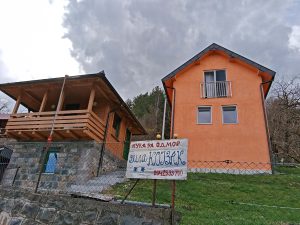
Вила Којзак **


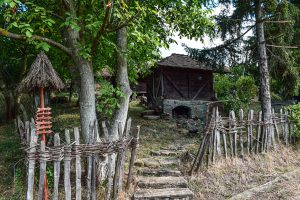
Сеоско туристичко домаћинство „Топлина душе“
Сеоско туристичко домаћинство „Топлина Душе“ налази се у селу Павлица и састоји се од породичне куће, мини зоо врта и етно музеја који чини једанаест објеката (брвнара) са различит



 2019
2019